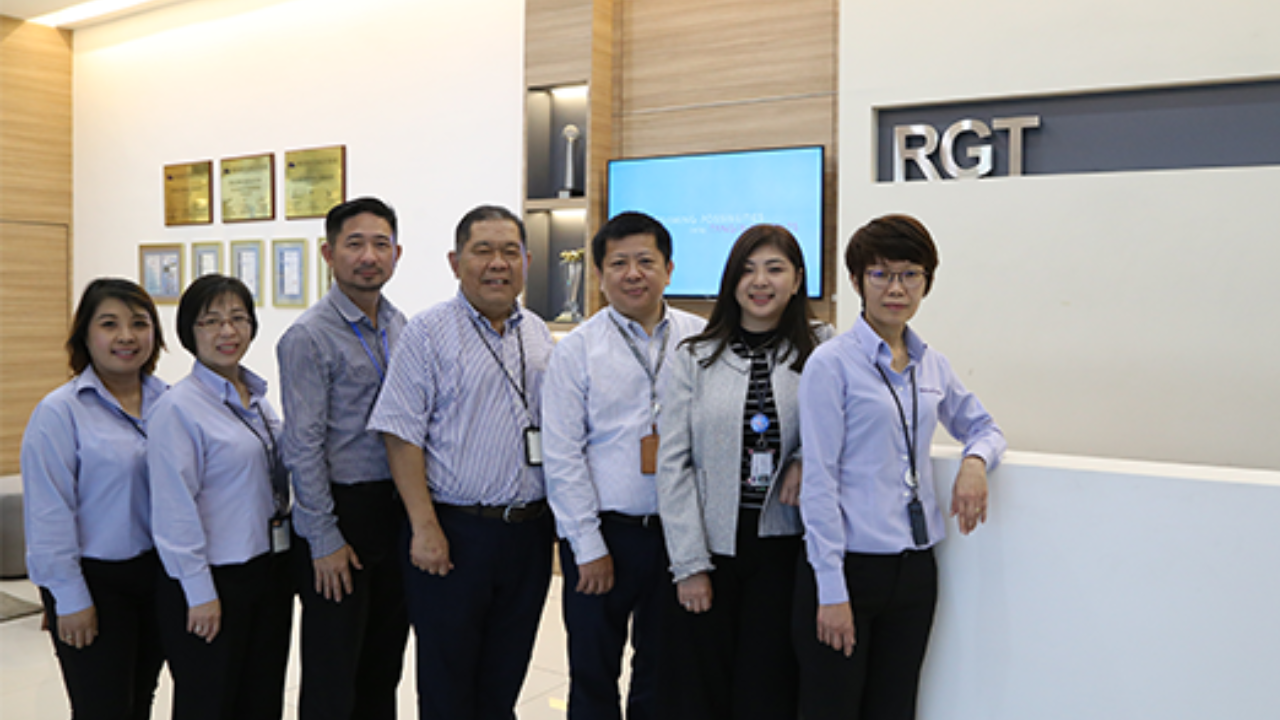
Rapid Growth Technology (RGT)
Digiwin Workflow ERP
Workflow ERP uses estimate-based procurement to optimize inventory and month-end close.
- Warehouse accuracy raised to 95%
- Month-end close 10 days → 3 days
Securing MIDA tax-exempt equipment approval is only the starting point for Malaysia's incentives—managing exemption quotas, filing SST-02 every 2 months, and meeting IRBM's phased MyInvois e-invoicing mandate are the daily battlegrounds that decide whether those incentives actually land and whether operations stay stable. With Malaysia's tax rules built into T100, Digiwin lets companies stand on solid compliance from day one of go-live.
The system follows Malaysia's SST tax-jurisdiction application, and the MIP e-invoice module is developed to the format defined by IRBM MyInvois's official published technical specifications (SDK)—no need to custom-build local tax rules from scratch.
Many companies pour their energy into securing MIDA incentives but underestimate the daily compliance that follows go-live—tax-exempt equipment must be tracked for quota and usage, SST must be filed every two months, and e-invoicing is being enforced in phases. If these three fronts are handled manually and in isolation, books and documents quickly stop reconciling.
If MIDA-approved tax-exempt equipment and standard imported equipment aren't tracked separately across master data, assets, and documents, over-used quotas or non-conforming usage become hard to substantiate—already-exempted tax faces back-assessment and penalties, turning incentives into liabilities overnight.
SST is filed via SST-02 every 2 months: sales tax at 5%/10% levied once at the manufacturing stage, and service tax at 6% (raised to 8% for high-value services such as legal and accounting as of 2024/3/1). If tax-type and rate determination and exempt input/output control are handled manually, every cycle means overtime and errors.
IRBM is enforcing e-Invoice in phases: each invoice has six statuses, 0–5, and only "Status 3, Valid" (passed IRBM validation, UUID+QR generated) counts; even input procurement requires issuing a Self-billed invoice. If the process doesn't keep up, shipping and billing all stall.
Malaysia's e-Invoice master data must stay in sync with the latest IRBM specifications. In recent years IRBM has revised TIN rules, including changing the individual TIN prefix from SG/OG to IG and adopting a new format for corporate TINs (most existing TINs need a trailing 0 appended); overseas customers without an IRBM TIN may use the general TIN EI00000000020. In addition, codes for product classification, unit of measure (UOM), tax type, payment method, and more must be maintained per the latest version of the IRBM Software Development Kit (SDK). If master data or code tables aren't kept in sync, an e-Invoice may be rejected on submission to the MyInvois platform due to validation failure.
A Malaysia go-live compliance health check—assess your tax-exemption and filing gaps
Get a Free Compliance AssessmentMalaysia attracts manufacturers with MIDA investment incentives on one hand while accelerating tax digitalization on the other: MyInvois e-invoicing is being enforced in phases, and SST rates and scope keep changing. Books that stay on paper and in Excel are quickly running out of room.
IRBM (Inland Revenue Board of Malaysia) is bringing companies into the mandatory e-Invoice scope in phases based on turnover: an invoice generates a UUID and QR—and becomes a valid document—only after it passes validation on the MyInvois platform, and input procurement requires issuing a Self-billed invoice. E-invoicing is no longer optional; it's the prerequisite for opening your doors for business.
# IRBM · MyInvois · Self-billedSales tax remains at 5%/10%, levied once at the manufacturing stage; as of 2024/3/1, service tax on high-value services such as legal and accounting rose from 6% to 8%, with the levy scope under continued review and expansion. RMCD's bimonthly SST-02 filing is a routine task, and the accuracy of tax-type and exemption determination directly drives audit risk.
# RMCD · SST-02 · Bimonthly FilingMIDA (Malaysian Investment Development Authority) continues to attract manufacturers with investment incentives such as tax-exempt equipment; the precondition for enjoying them is being able to lay out approval documents, the Exemption Certificate, and exemption-quota usage records at any time—the incentives are generous, and the record-keeping checks are just as rigorous.
# MIDA · Exemption Certificate · FIZ/LMWWith SST categories, customs codes, and exemption-number data control built into the Malaysia tax jurisdiction, Digiwin T100 fully separates the two tracks—"MIDA tax-exempt equipment" and "standard imported equipment"—from master data and documents to filing, so every exemption is fully documented and every audit request can be pulled on demand.
| Management Dimension | MIDA Tax-Exempt Equipment (Approved Exemption) | Standard Imported Equipment (Taxable) |
|---|---|---|
| Tax Cost | Approved exemption from import duty and sales tax | Sales tax levied at the standard 5%/10% rate |
| Basis for Exemption | MIDA approval + Exemption Certificate | No exemption documents; taxed under standard procedures |
| Master Data Setup | SST category + customs code set per part number | Standard part-number master data |
| Exemption Quota | Exemption-number data controlled by the system (no check/warn/reject) | Not applicable |
| Usage and Changes | Restricted to approved use; disposal and changes logged for audit | No special restrictions |
| Filing and Record-Keeping | Complete, traceable exemption-usage records, ready for RMCD audits at any time | Included in bimonthly SST-02 filing |
Guard against exemption over-use:Once the exemption quota is over-used or exemption-status documents are incomplete, already-exempted tax faces back-assessment and penalties. Control must happen at the moment a document is created (the system warns or rejects in real time), not as a last-minute fix before filing.
Set master data once, auto-determine tax on documents, and capture filing data within the system—from tax-jurisdiction conditions to document printing, every step leaves a systematic trail. Companies can handle SST filing right after go-live, with no separate software purchase and no extensive custom development.
E-invoicing is handled by the MIP module: documents auto-generate e-invoices, TIN is validated automatically, and only Status 3 (Valid) allows document printing—SST filing and e-Invoice compliance, completed in one system.
A multi-ledger architecture lets multinational companies simultaneously meet Malaysian statutory filing, group consolidated statements, and MIDA tax-exemption tracking—leaving manual reconciliation across multiple Excel files behind for good.
Denominated in Malaysian ringgit (MYR) and aligned to local filing standards, the details and summary of bimonthly SST-02 filing share the same data source as the books, so filing and accounts are inherently consistent.
Denominated in the parent company's currency under IFRS standards for group consolidated statements, with transfer-pricing disclosure schedules auto-populated.
Dedicated tracking of the tax-exempt equipment register, exemption-quota usage details, and asset-change records—so you enjoy incentives with peace of mind and can lay records out for inspection.
Per IRBM specifications, every e-invoice moves through the statuses 0 Issued, 1 Uploaded, 2 Submitted (pending IRBM approval), 3 Valid, 4 Invalid, and 5 Cancelled; it becomes a valid document only after passing IRBM validation (Status 3) and generating a UUID and QR code, and T100 enforces "only Status = 3 allows document printing." TIN rules also changed as of 2023/1/2: the individual prefix SG/OG became IG (digits unchanged), non-individual TINs gained a trailing "0," and overseas customers use the general TIN EI00000000020—the system supports TIN validation and submission, so every invoice can be issued and holds up.
One T100 handles both SST filing and MyInvois e-invoicing
Request a ConsultationNot translation software, but adapted to local conventions. Managers and staff at the Taiwan headquarters and the Malaysia plant can each log in to the same system in their own language, with language and currency localized in sync—select a language below to preview how the interface of the same document changes.
Interface language and bookkeeping currency localized in sync: 繁中/English/简中/Tiếng Việt/ไทย · MYR/TWD/USD/CNY
Centered on local regulations, we help clients meet local compliance from day one of go-live. With "local delivery × localized system × deep regulatory expertise," Digiwin builds a compliance moat for southbound manufacturers in Malaysia.
The system includes Malaysia's SST tax-jurisdiction application and the MIP e-invoice module, developed to the format defined by IRBM MyInvois's official published technical specifications (SDK) and updated with each version; it produces filing-format-compliant files that are format-compliant and fully documented.
Adapted to local conventions, the same system switches between Traditional Chinese, English, and other language interfaces, so managers and staff in both Taiwan and Malaysia can log in and operate it in line with local terminology and filing standards.
Digiwin's Malaysia consulting team provides on-the-ground guidance, supporting you all the way from tax-rule setup and exemption control to e-invoice go-live; backed by Digiwin's years of delivery experience in Southeast Asia, it reduces the communication and cultural gaps of cross-border implementation.
Representative Digiwin deployments in Malaysia.
Workflow ERP uses estimate-based procurement to optimize inventory and month-end close.
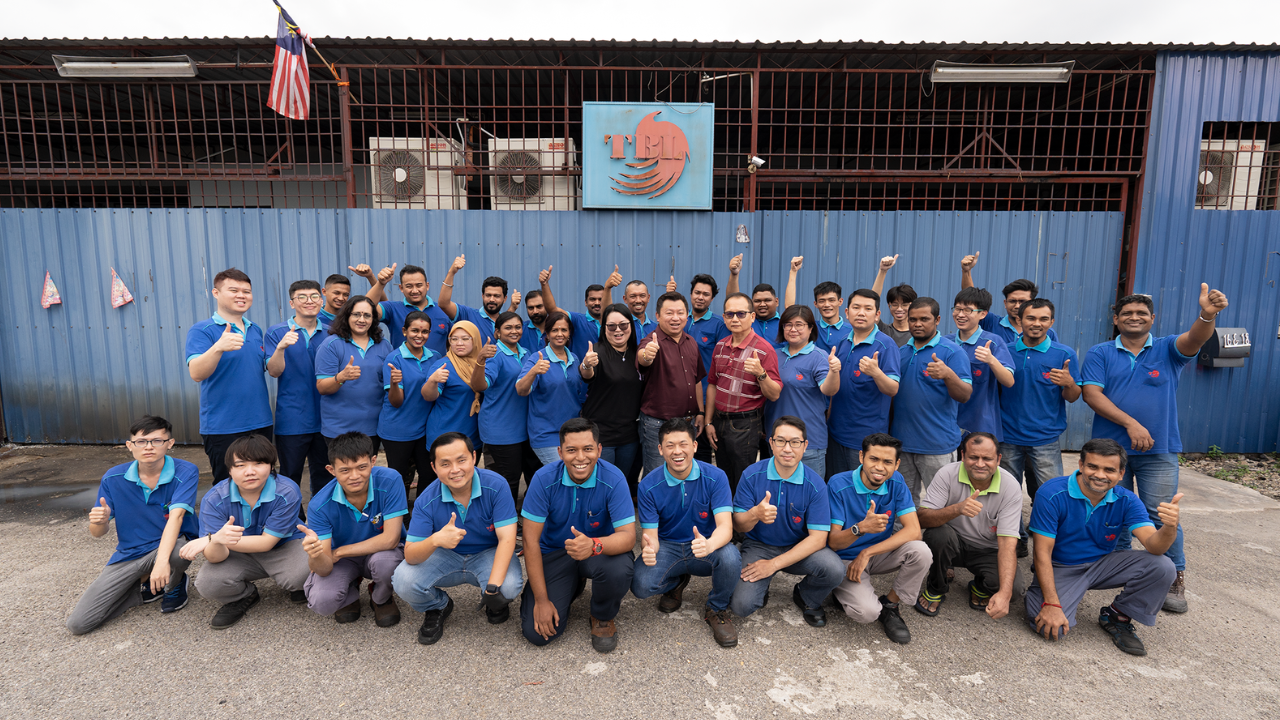
Workflow ERP plus MES and AIoT make tooling-floor delivery and utilization visible in real time.
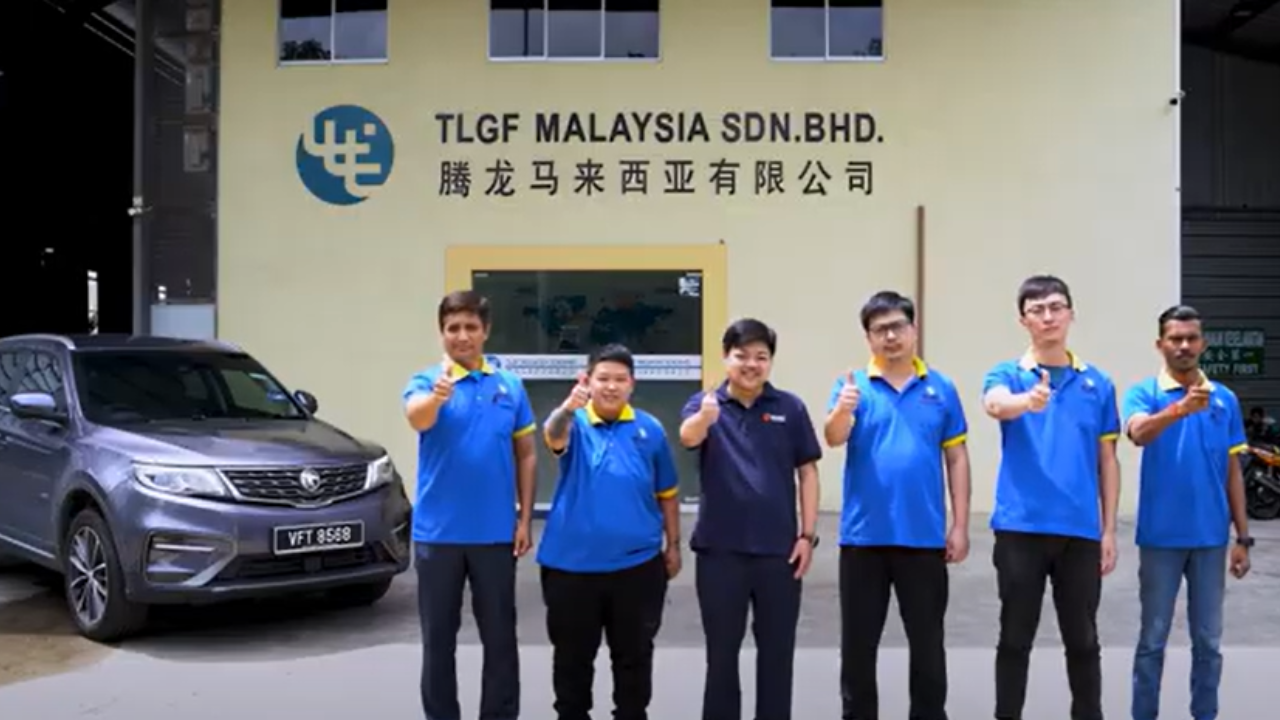
Workflow ERP plus MES and AIoT deliver batch-level FIFO and workshop transparency in one move.
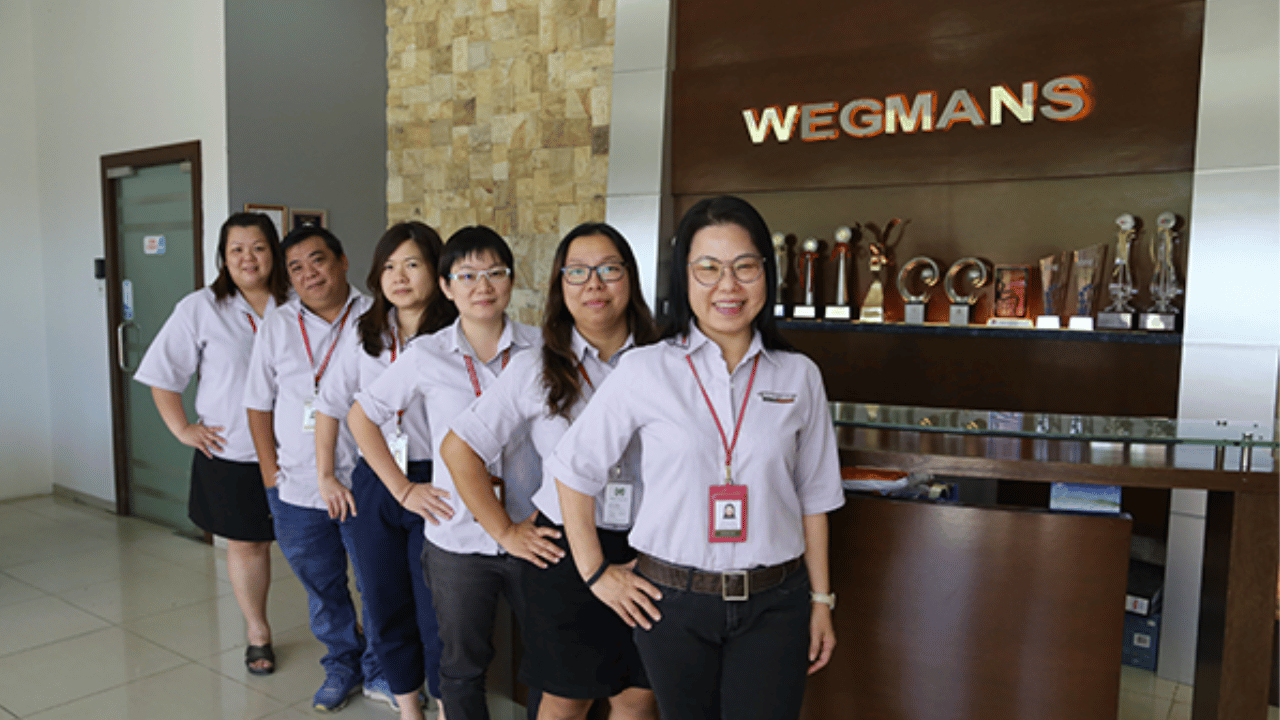
Workflow ERP strengthened inventory management and internal controls, supporting the IPO journey.
From site selection and ERP implementation to the 2026 tax rules—three expert analyses on DigiwinGO help you understand every step of landing in Malaysia.

From an English-speaking business environment and talent structure to MIDA policy and geographic advantages, it breaks down the positioning of the three industrial clusters—Penang, Selangor, and Johor—and includes a preparation-phase site-selection framework, so technology-intensive manufacturers can grasp the big picture before setting up a plant.
Read Full ArticleFacing SST filing, multi-language operation, and exchange-rate fluctuations, how should southbound manufacturers setting up plants choose an ERP with genuine Malaysia localization, paired with a local service team, to get statutory compliance, accurate accounting, and remote management right all at once.
Read Full ArticleExpanded capital gains tax scope, mandatory e-invoicing, and a restructured service tax—before entering, complete a four-part tax review covering equity thresholds, the e-invoicing mechanism, investment-incentive eligibility, and asset exit.
Read Full ArticleApproval is only the starting point of the incentive. After go-live, you still need to manage: matched retention of approval documents and the Exemption Certificate, separate-track management of tax-exempt and standard imported equipment, exemption-quota usage records, and audit records of equipment use and changes. Digiwin T100 uses exemption-number data control (configurable as no check/warn/reject) to check at the moment a document is created, preventing back-tax and penalties from over-used exemptions.
SST is administered by RMCD (Royal Malaysian Customs Department), filed every 2 months on the SST-02 form. Sales tax is levied on goods sold by manufacturers/importers, generally at 5%/10%, taxed once at the manufacturing stage; service tax is levied on specific service industries at 6%, raised to 8% for high-value services such as legal and accounting as of 2024/3/1. Exempt statuses include government departments, free-zone enterprises (FIZ, LMW), and holders of an exemption certificate, among others.
Per IRBM specifications, an e-invoice has six statuses: 0 Issued, 1 Uploaded, 2 Submitted (pending IRBM approval), 3 Valid, 4 Invalid, and 5 Cancelled; it is a valid document only after passing IRBM validation (Status 3) and generating a UUID and QR code. Invoice types cover output (invoice/CN/DN/returns) and Self-billed invoices (input procurement/CN/DN/refunds); codes for classification, unit, tax type, and more are mapped and controlled by the system.
As of 2023/1/2, the individual TIN prefix changed from SG/OG to IG (digits unchanged), non-individual TINs gained a trailing "0," and overseas customers use the general TIN EI00000000020. If customer and supplier master data isn't kept in sync, invoice submissions will be rejected. The Digiwin T100 MIP module supports TIN validation and e-invoice submission—correct the master data once, and every invoice thereafter can be issued and holds up.
Whether you're evaluating a plant in Malaysia, have just obtained MIDA approval, or are facing the pressure of bimonthly SST filing and the MyInvois rollout, the Digiwin team can run a comprehensive health check on your Malaysia go-live plan.
Digiwin — 44+ years in manufacturing · 20+ years serving Southeast Asia · Vietnam · Thailand · Malaysia · Indonesia · serving 500+ manufacturing companies