
Eternal Prowess
Digiwin Workflow ERPMESCarbon Accounting (OCM)
Workflow ERP plus MES machine-networked auto-feeding connects the entire footwear line.
- Monthly compounding tonnage doubled
“Where does this order actually stand? I ask around from headquarters, and by the time the overseas plant reports back, it’s already yesterday’s news.”
Digiwin MES brings dispatch, production reporting, quality, and traceability into one shop floor — customers have proven a 28.5% shorter production cycle and 80% higher plant transparency. Your home plant and new southbound plants run on one shop-floor standard.
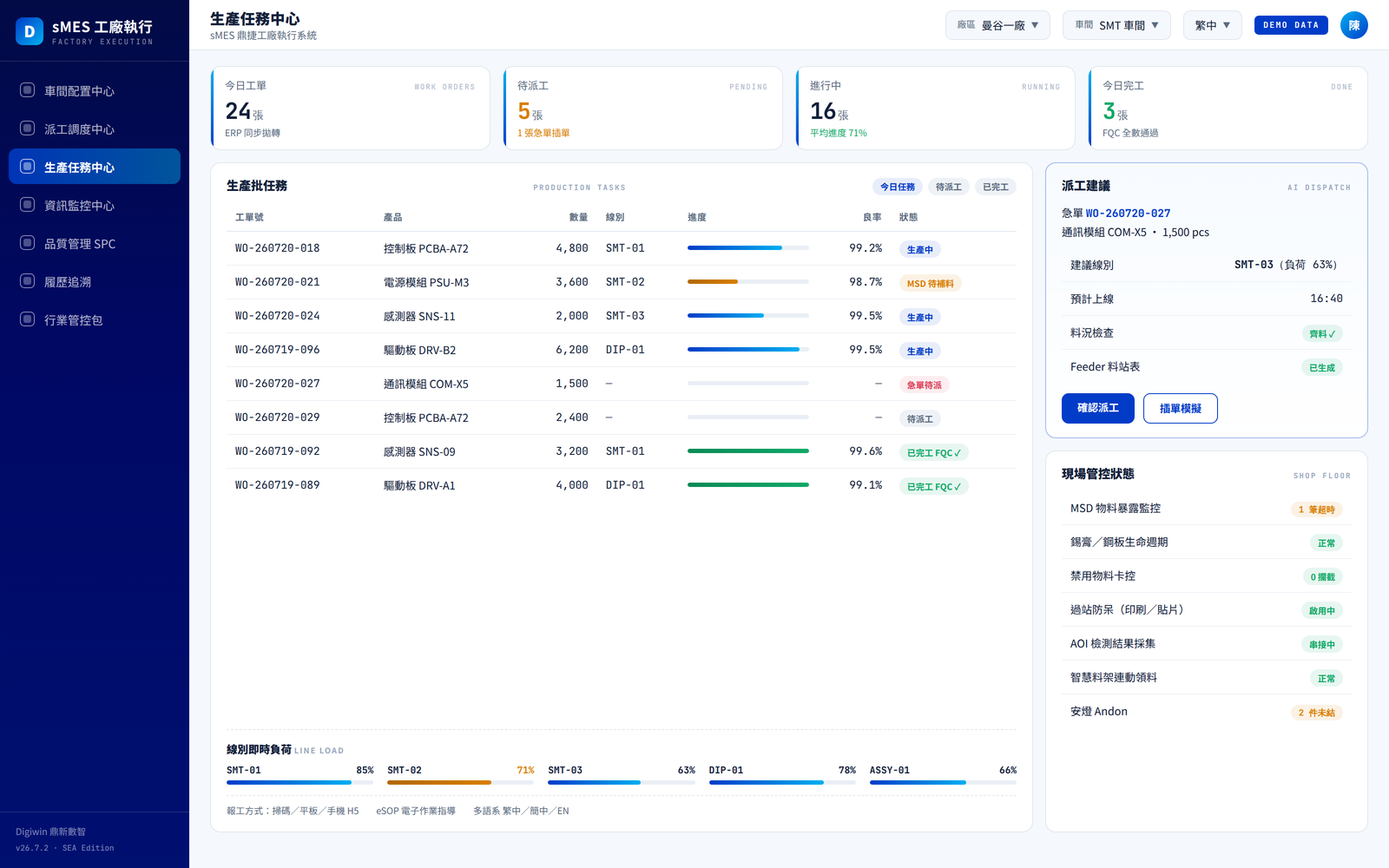
Work orders are running, people are guessing, supervisors are walking the floor — for southbound manufacturing, shop-floor management usually gets stuck on these three things.
Work orders pile up on the line and supervisors waste time hunting them down on the floor; labor hours can only be estimated in advance and production reporting isn’t real-time, so the progress on the books never matches what’s actually happening on the floor.
Dispatch relies on the shop veteran’s experience, and uneven equipment load leads to idle waiting; precision quality inspection sheets are copied out by hand, and the busier it gets, the more errors slip in.
Across time zones and languages, you piece together the overseas plant’s floor status from overseas calls and next-day reports; your home plant’s management standards never quite copy over to the new plant.
Exporting your home plant’s management habits as-is isn’t enough — data, equipment, standards, and systems each have to hold up locally.
Barcode scanning enables real-time production reporting, and the eKB electronic dashboard and war room lay progress, efficiency, and exceptions out in plain view — after electronics contract manufacturer Cal-Comp deployed it at its Philippine plant, shop-floor data became visible in real time and exceptions were handled the moment they arose.
The AIoT equipment cloud connects to mainstream CNC/PLC controllers (brands such as Mitsubishi and FANUC), giving second-by-second visibility into equipment status and machining parameters — MES governs the process, “doing the right things,” while AIoT governs the equipment, “doing things right.” After Malaysian auto-parts customer Tenglong Automotive deployed it, the AIoT equipment cloud and a mobile interface gave real-time visibility into the shop floor with live work-order tracking.
The interface switches by default among Traditional Chinese, Simplified Chinese, and English, and exception alerts are pushed across time zones via LINE, WeChat, and MAIL — your home plant’s shop-floor standards copy over as-is to new plants in Thailand and Vietnam; the tax incentives and compliance homework to do before setting up a plant are all laid out on the Thailand page.
Create work order → open production batch → issue materials to the work order → report production → FQC → line-side warehouse receipt → close work order — ERP and MES pass data back and forth throughout, so planning and the floor share one set of data and accounts no longer have to be reconciled against materials on two sides.
Six module groups — traceability, visibility, people and equipment, materials and process methods, quality, and work-in-process — distilled into four core capabilities that reach every production line.
Built on three hubs — workshop configuration, dispatch scheduling, and production tasks — it lays out exactly who is on which machine working which order, with production data flowing back the moment it’s reported.
From alert monitoring and the information monitoring center to the eKB electronic dashboard and the sFWR war room, managers at headquarters can see every production line in their overseas plants.
SPC statistical process control, real-time Andon response, plus two-way serial-number and batch-number traceability turn quality from “reviewed after the fact” into “controlled during the process.”
Industry-specific controls for electronics assembly, plastic injection molding, fasteners, and more are built into the standard modules, so industry know-how doesn’t have to be custom-built from scratch.
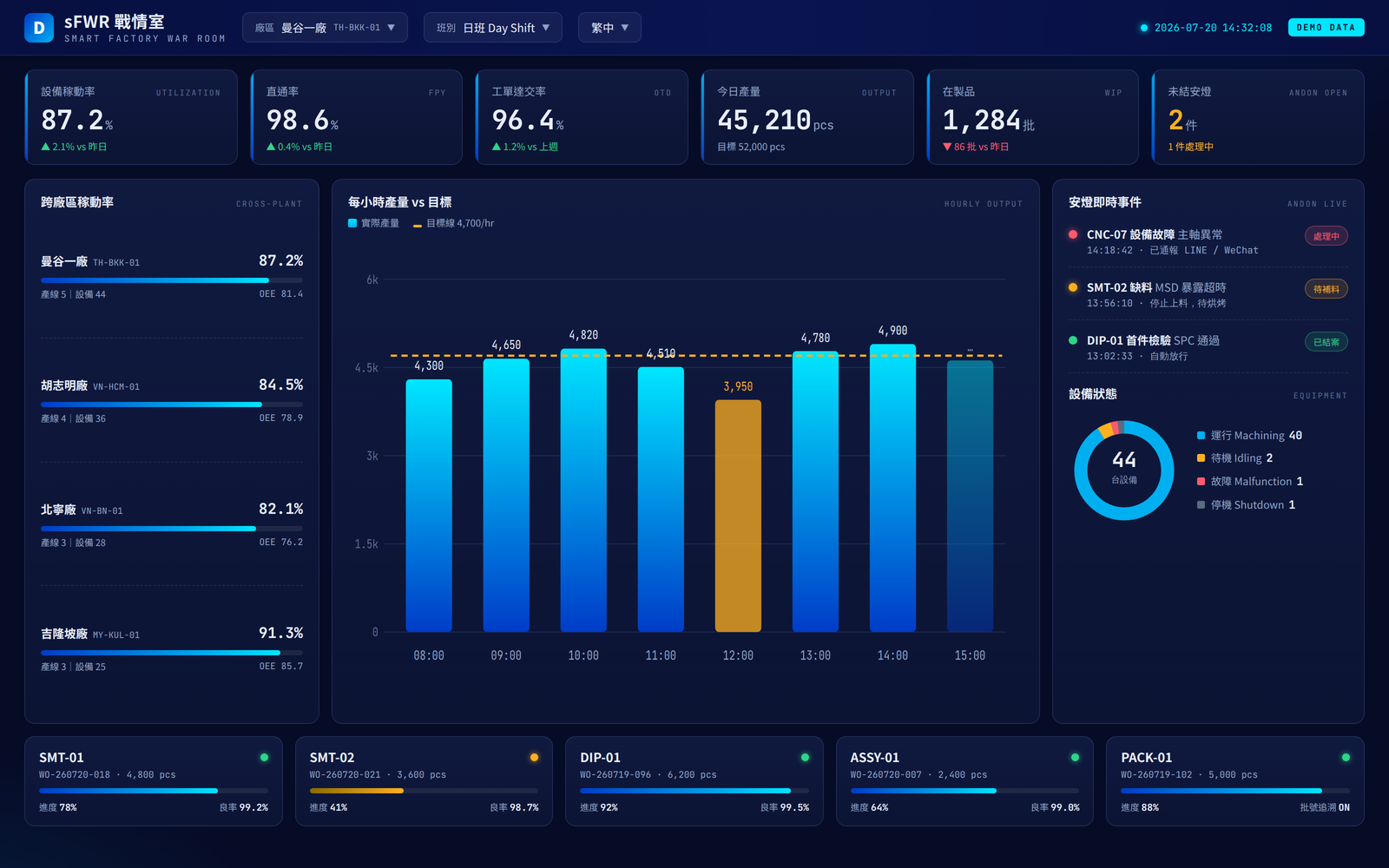
Still waiting on next-day reports to learn your overseas plant’s production progress?Digiwin MES real-time production reporting — customers have proven data lag cut from three days to instant.
Request a ConsultationRepresentative cases connecting shop-floor data with MES.
Workflow ERP plus MES machine-networked auto-feeding connects the entire footwear line.
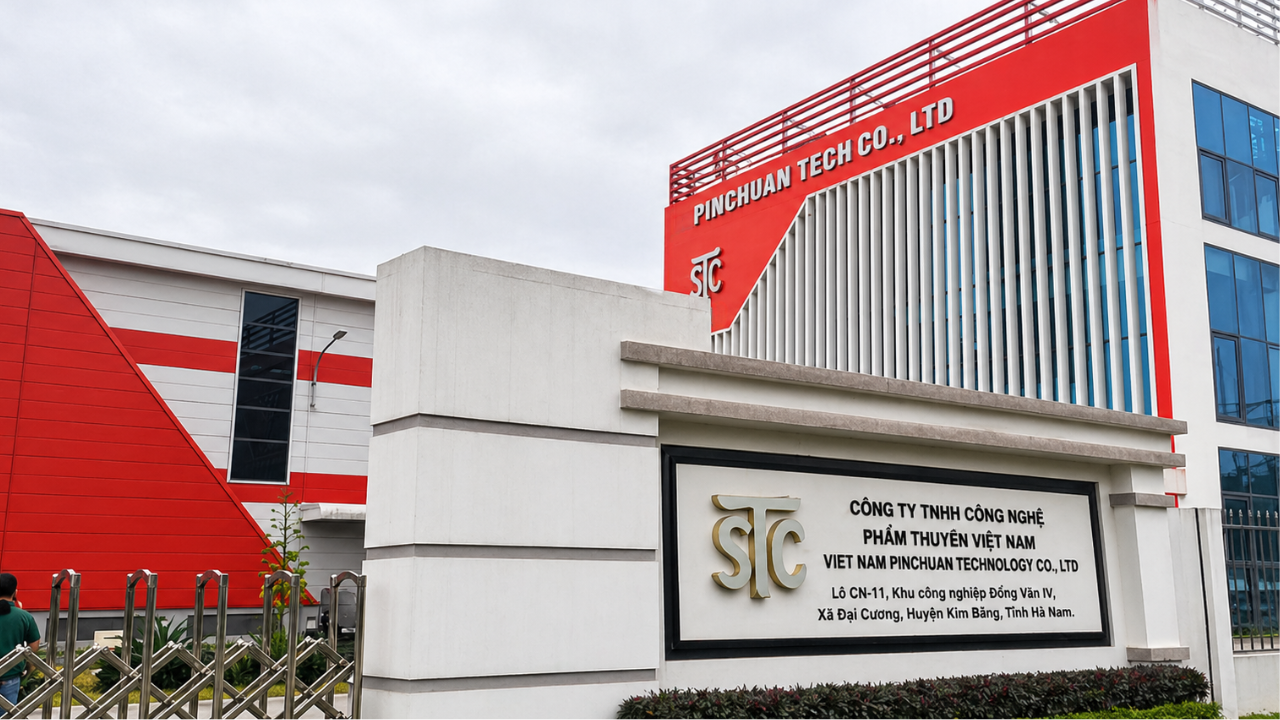
eMES systematizes scheduling, reporting and traceability across the metal-stamping floor.
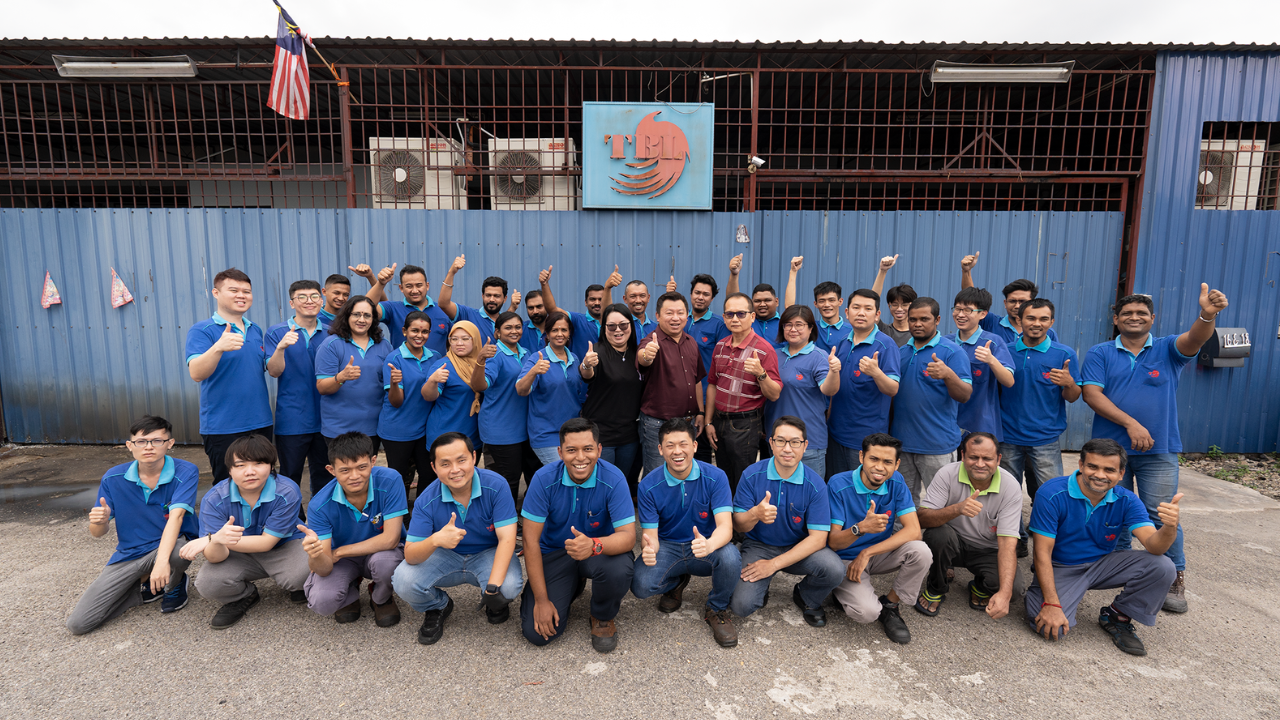
Workflow ERP plus MES and AIoT make tooling-floor delivery and utilization visible in real time.

Workflow ERP plus MES and AIoT deliver batch-level FIFO and workshop transparency in one move.
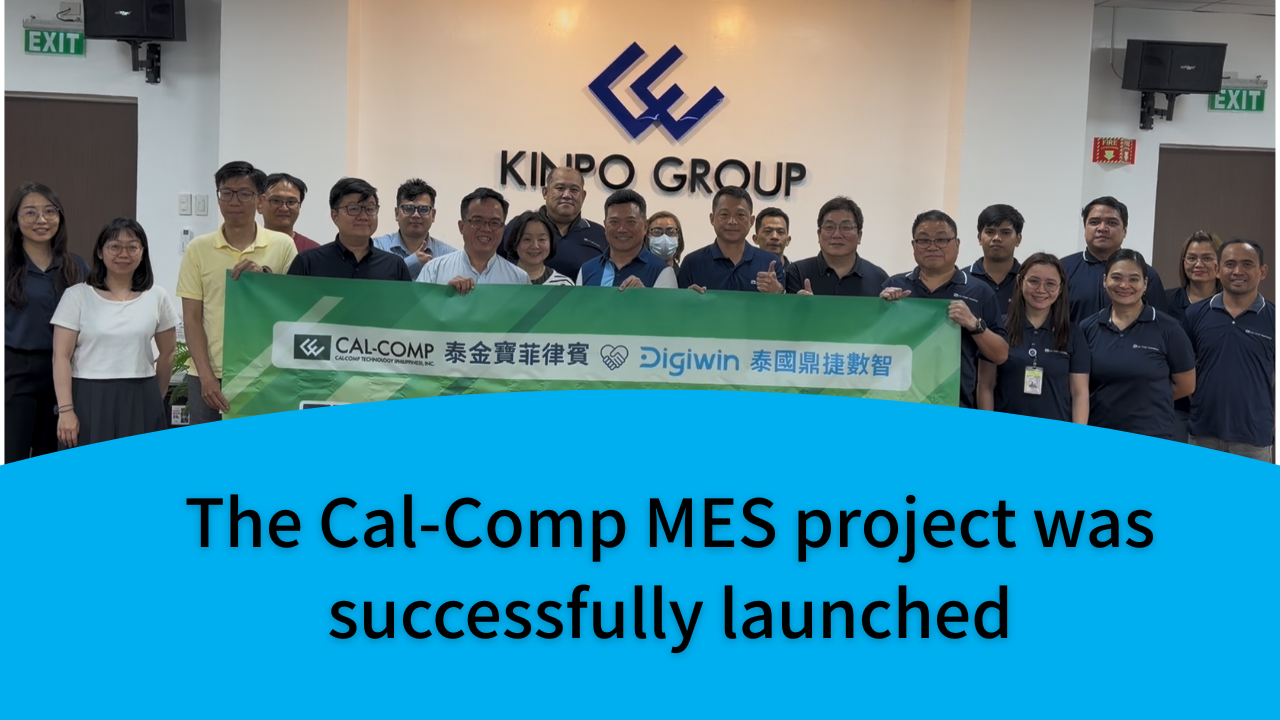
MES strengthens shop-floor visibility and process control for electronics contract manufacturing.
ERP governs “planning and the books”: orders, materials, and costs; MES governs “execution and the real world”: dispatch, production reporting, quality, and traceability. Digiwin ERP and MES follow a standard integration flow — create work order → open production batch → issue materials to the work order → report production → FQC → line-side warehouse receipt → close work order — passing data back and forth throughout, so the planning layer and the floor layer speak from one set of data.
In a sentence: MES governs the process layer — “doing the right things” — while AIoT governs the equipment layer — “doing things right”, the two working together top to bottom.
To solve “can’t see progress” first, choose MES; to solve “low equipment efficiency” first, choose AIoT — request an assessment, and a consultant will recommend a rollout order based on your floor’s pain points.
Yes. The system interface switches by default among Traditional Chinese, Simplified Chinese, English, and Thai, and scan- and tablet-based production reporting lowers the learning curve on the floor; exception alerts are pushed via LINE, WeChat, MAIL, and on-screen notifications, so cross-time-zone management misses nothing. The Thailand market is served locally by the Digiwin (Thailand) team; for the tax and compliance homework to do before setting up a plant, see this site’s Thailand, Vietnam, and Malaysia pages.
It depends on shop-floor complexity and how deep the rollout goes; public case studies on our site offer a reference:
Before rollout, a consultant assesses your floor on site, and a phased go-live reduces risk.
Tell us about your industry and plant footprint, and a consultant will assess the MES rollout path that fits you best — from visibility on a single line to replicating shop-floor standards across plants abroad, step by step.
A free assessment, with no rollout commitment required.