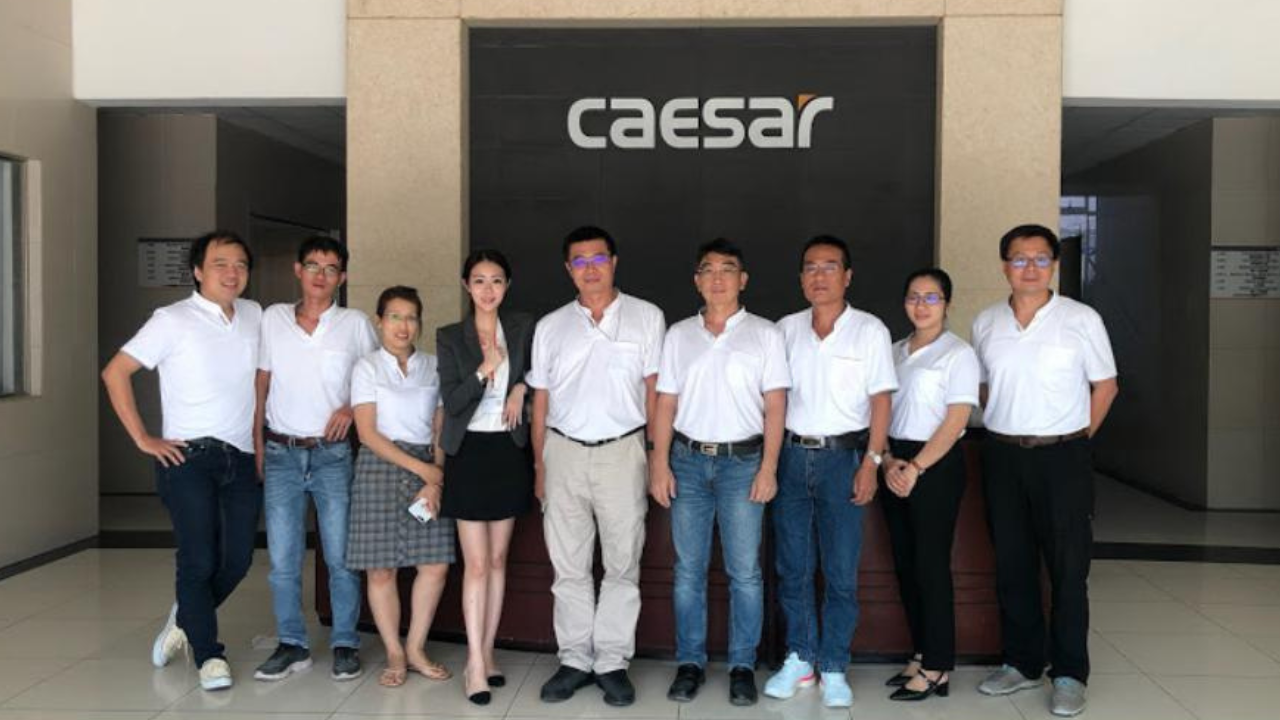
CAESAR
Digiwin Workflow ERP
Deployed Workflow ERP to bring Vietnam operations online — quoting, inventory and delivery fully transparent.
- Quote turnaround cut to within half a day
- System reports meet Vietnam's local regulations
Vietnam EPE enjoy tax incentives on imported materials—at the price of full traceability and liquidation across procurement, consumption, inventory, and sales. The TT99 accounting reform takes full effect from the 2026 fiscal year. With a Chinese–Vietnamese bilingual ERP and a local team in Vietnam, Digiwin helps Taiwanese manufacturers expanding into Southeast Asia turn compliance into a daily routine.
In Vietnam, Digiwin delivers implementation and after-sales service through a local team. The system maps to Vietnamese accounting principles and statutory reporting requirements, helping EPE manufacturers keep books that can withstand audit.
EPE benefits rest on one thing: staying in control. These four gaps are the ones Taiwanese manufacturers in Vietnam most often hit during customs liquidation and tax audits.
Customs records, warehouse records, and financial books are each kept separately; material consumption and waste lack supporting documents, so the numbers don't add up at liquidation—duty-free imported materials may then face demands for back payment of the related taxes and fees.
Accounts are renamed and added (for example, 158 becomes "Bonded warehouse raw materials and supplies"), and the balance sheet becomes the statement of financial position with a structure that cannot be altered—bridging this by hand leaves no audit trail.
The accounting system and the e-invoicing platform are entered separately, with manual issuance taking as many as 6 steps—prone to missed submissions and cumbersome filing; once shipping, invoice, and tax data fall out of sync, audit risk rises.
Chinese management can't read Vietnamese-language vouchers and Vietnamese staff aren't familiar with group requirements; with no systematic mapping between Vietnam's accounting rules and the group's management standards, the monthly close limps along on Excel and manual translation.
Not sure how to assess your own EPE status and liquidation obligations? Let a consultant walk you through it.
Request a Free ConsultationRegulation isn't background noise. These three policy shifts directly determine how EPE handle their accounts, reports, and invoices.
Applies to fiscal years beginning on or after 2026/01/01, fully replacing 200/2014/TT-BTC and its accompanying documents; it shifts accounting from passive compliance to active management, for the first time explicitly requiring companies to establish and issue internal governance rules and an effective internal control system, with financial reporting progressively converging toward IFRS.
#TT99 #InternalControl #IFRSConvergenceTT99 adds account "82112 – Supplementary CIT expense under the global minimum tax" (refer to the appendix of Circular 99/2025/TT-BTC for the exact account number) and connects to the OECD framework and emerging international areas such as IAS 41 – Agriculture—for Vietnamese subsidiaries of multinational groups, the demand for accounting transparency will only grow.
#GlobalMinimumTax #82112 #OECDUnder Decree 123/2020/NĐ-CP (which replaced Decree 119/2018/NĐ-CP and became fully mandatory from 2022-07-01), Vietnam requires companies, cooperatives, private businesses, and others to use and issue e-invoices; this was upgraded in 2025 by Decree 70/2025/NĐ-CP and Circular 32/2025/TT-BTC (effective 2025-06-01). For EPE, shipping, invoice, and tax data must be consistent—the practice of entering data separately across the accounting and invoicing platforms is becoming increasingly risky.
#eInvoicing #Decree119 #FilingConsistencyEven with a plant in the same Vietnam, EPE and standard FDI companies follow two different logics for tax treatment, materials management, and filing obligations. Figure out which one you are first, then decide how deep the system needs to go.
| Management Dimension | EPE (Export Processing Enterprise) | Standard FDI Company |
|---|---|---|
| Tax treatment | Imported materials for export production enjoy tax incentives | Imported materials are taxed under standard rules |
| Nature of materials | Imported materials are bonded and must be tracked by consumption purpose | Standard inventory management, with no bonded tracking obligation |
| Customs filing | Must periodically submit liquidation reports to customs, reconciling procurement, consumption, and inventory | No periodic liquidation obligation; filed case by case for each import/export |
| Domestic sales restrictions | Domestic sales require the corresponding import/export procedures and back payment of the related taxes and fees | Free to sell domestically or for export, with no extra procedures |
| Accounting accounts | Bonded materials must be managed separately (TT99 account 158 "Bonded warehouse raw materials and supplies") | Managed under standard inventory accounts |
| Audit focus | Dual audits by customs and the tax authority; data must be traceable back to source documents | Primarily tax audits |
NoteIf an EPE cannot reconcile materials against its books, or conducts domestic sales without the required procedures, its duty-free imported materials may face demands for back payment of the related taxes and fees. This table is a general summary; for specific cases, refer to the current rules of the competent Vietnamese authorities.
From duty-free materials entering the plant to liquidation reports going out, every step happens on a single source of truth—that's the prerequisite for liquidation numbers that actually add up.
One data source end to end: every figure on a report can be traced back to its original source document—precisely the core requirement TT99 places on system governance.
The Vietnam statutory book, the group management book, and the EPE bonded-materials book—from one transaction source, three standards each produce their own reports and reconcile against each other, which is what holds up under dual audits by customs and the tax authority.
Kept in VND, producing statutory reports such as the statement of financial position in the TT99 statutory format, meeting tax-filing and audit requirements.
The same transaction source maps in parallel to the group's management standard, aligning with the direction of financial reporting progressively converging toward IFRS, so headquarters' monthly close no longer waits on manual conversion.
Independently tracks procurement, consumption, and inventory for bonded materials, supporting liquidation reconciliation and variance analysis so the figures customs asks for are always at hand.
Items of the same nature (similar expenses/assets or the same economic substance) that together account for ≥ 10% of the relevant larger benchmark must be highlighted in the notes to the financial statements—stating the item group's name, economic nature, main counterparties, and purpose—and material amounts may not be obscured through aggregated presentation (per the relevant provisions of Circular 99/2025/TT-BTC). Only fine-grained system classification makes such notes possible to write.
Before TT99 takes effect, run a transition check on your chart of accounts and internal controls.
Get a Free Compliance AssessmentChinese management and Vietnamese teams collaborate in one system: each switches the interface to their own language while the data stays single, so the monthly close no longer runs on a relay of translation.
The Vietnam statutory book uses VND as its accounting currency and reports in the TT99 statutory format; the group side can review the management standard in parallel—one data source, no re-entry.
EPE compliance doesn't end when you buy a piece of software—it's a combination of regulatory understanding, a localized system, and local service.
The system maps to local Vietnamese accounting principles and the updated TT99 statutory reporting structure, producing filing-format-compliant files to support liquidation and filing; electronic approvals and role-based permissions leave a complete audit trail.
A Chinese–Vietnamese bilingual interface, VND accounting currency, and accounts and reports that comply with Vietnam's accounting rules—published case studies confirm the interface is 100% in Chinese and Vietnamese, letting teams in both locations work from the same data.
Digiwin's local team in Vietnam handles implementation and after-sales, with intensive guidance for new plants; Kaiming Plastics' new plant in Haiphong, Vietnam reached an effective go-live quickly this way.
Representative Digiwin deployments in Vietnam.
Deployed Workflow ERP to bring Vietnam operations online — quoting, inventory and delivery fully transparent.
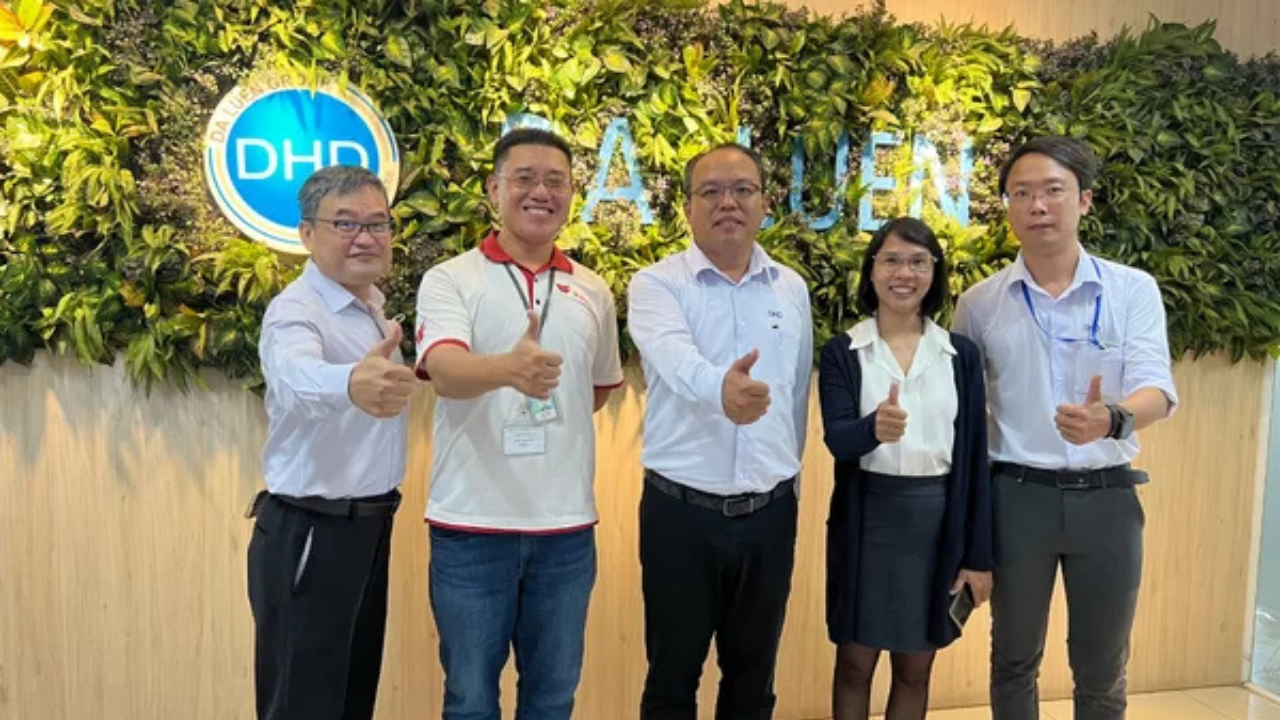
T100 group management with BPM e-approval takes cross-border processes fully paperless.
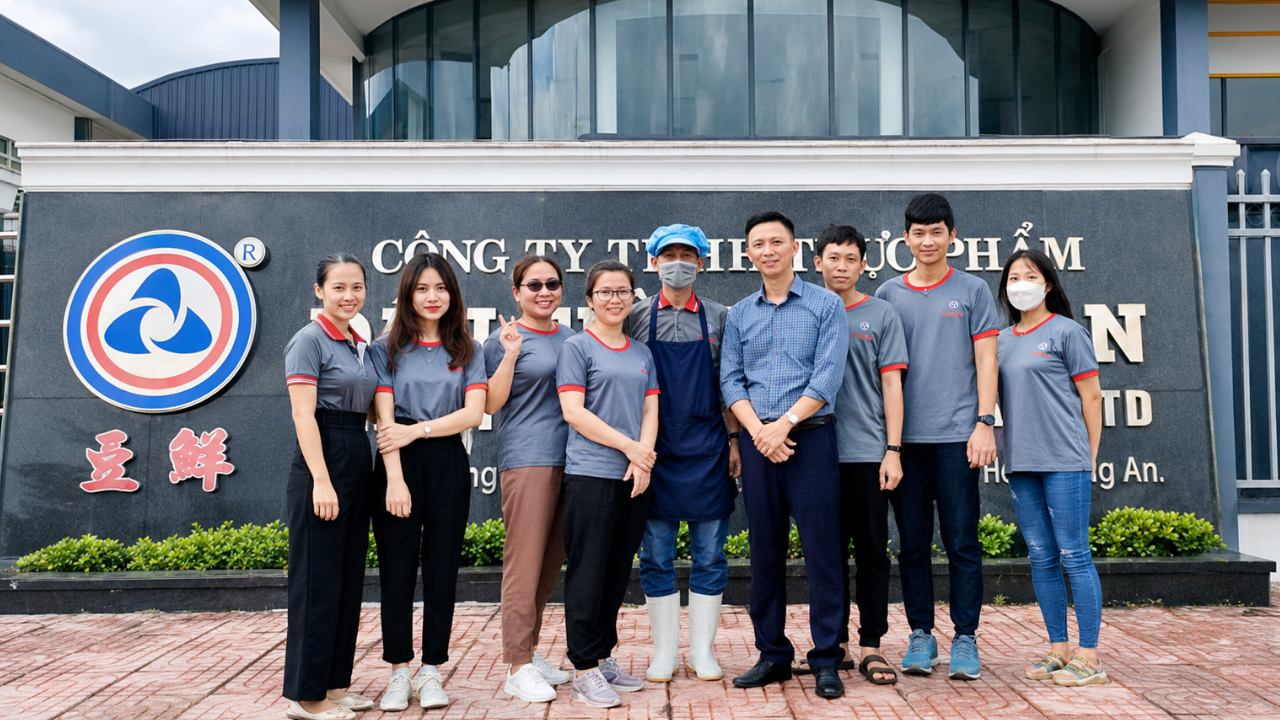
Workflow ERP with batch control enforces FIFO and full quality traceability.

Workflow ERP plus MES machine-networked auto-feeding connects the entire footwear line.
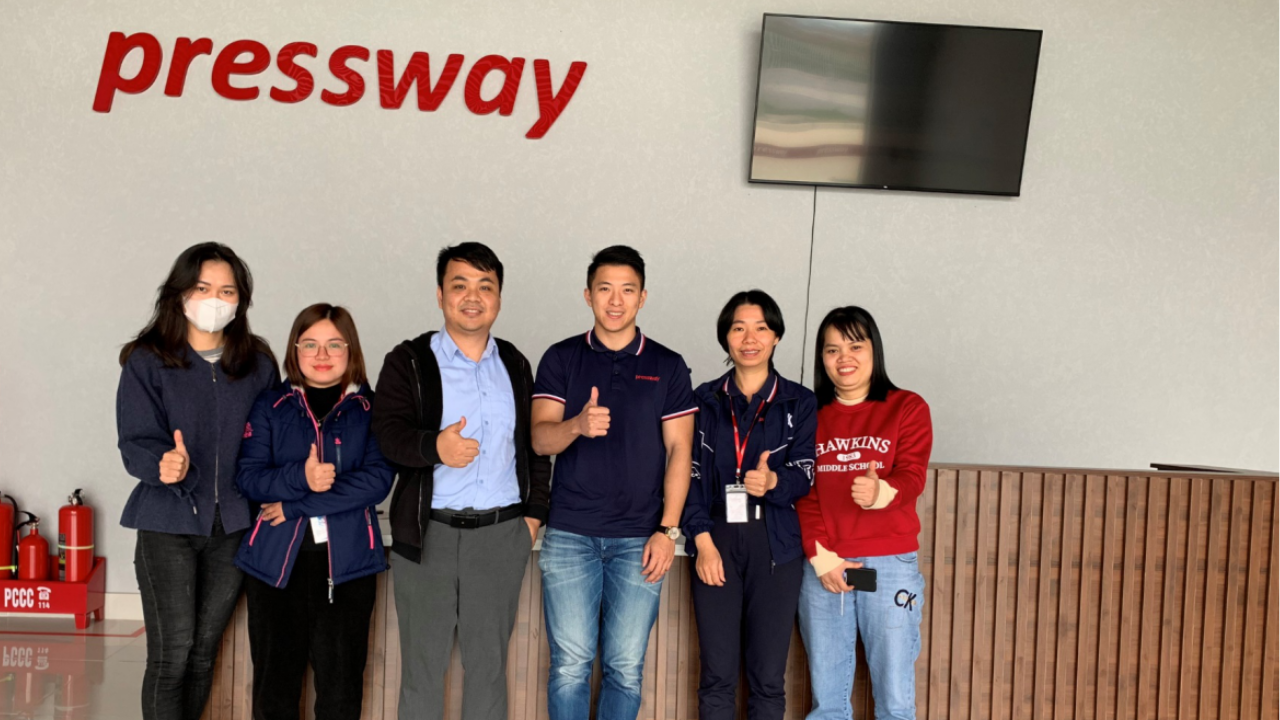
The new Hai Phong plant rapidly cloned HQ's system, live out-of-the-box with a Chinese–Vietnamese interface.
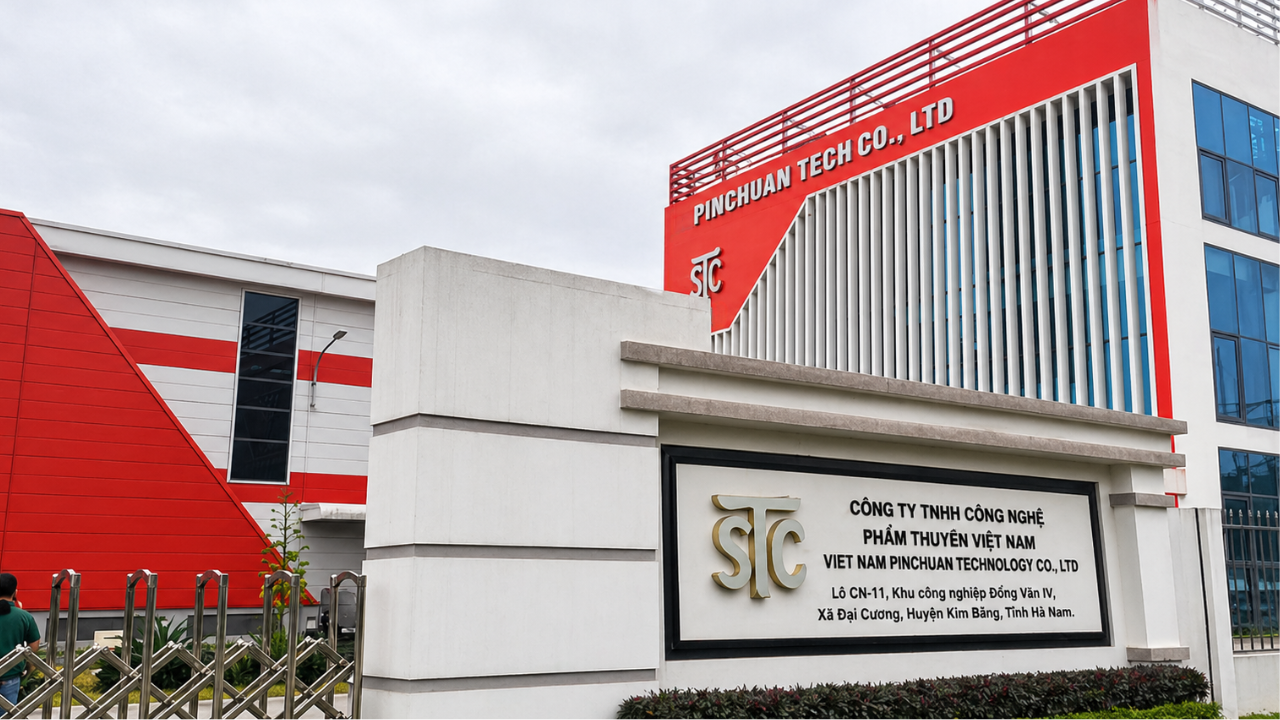
eMES systematizes scheduling, reporting and traceability across the metal-stamping floor.
Workflow ERP plus WMS links the production-to-sales data chain, making audits instant and evidence-based.
Three articles—from investment setup to the Circular 99 accounting reform to 2026 e-invoicing and corporate income tax—complete the compliance picture for operating in Vietnam.

A young labor force, FTA advantages, and an export orientation have made Vietnam central to Taiwanese businesses' ASEAN strategy, but rising land prices, work permits, and compliance pose real challenges—from industrial-zone zoning and plant construction to tax incentives and ESG, this article lays out the setup SOP in one read.
Read the Full ArticleThe Ministry of Finance's 99/2025/TT-BTC takes effect on 2026/1/1, giving companies the flexibility to define their own voucher formats while requiring ERP to provide an audit trail that traces from financial statements back to every transaction—accounting rules are moving from passive compliance to active governance.
Read the Full ArticleE-invoicing enters an era of "cross-matching audits," with the tax authority matching input and output VAT in real time and suppliers bearing heavier shared compliance responsibility; the new corporate income tax removes location-based incentives for industrial zones, and incentive eligibility must be self-confirmed each year rather than carrying over automatically.
Read the Full ArticleThe core difference is that tax exemption and liquidation are tied together. An EPE's imported materials for export production enjoy tax incentives, but they are bonded in nature: consumption must be tracked, liquidation reports must be submitted to customs periodically, and domestic sales require the corresponding procedures and back payment of the related taxes and fees. A standard FDI company is taxed under standard rules with no periodic liquidation obligation. Different company types call for different system depth.
Thông tư 99 applies to fiscal years beginning on or after 2026/01/01 and fully replaces 200/2014/TT-BTC. We suggest reviewing three things first: account mapping (for example 158 Bonded warehouse raw materials and supplies, and the newly added 215 Biological assets, 217 Investment property, and 82112 Supplementary CIT expense account; refer to the chart of accounts in the appendix of Circular 99/2025/TT-BTC for exact account numbers and names), report-format conversion (the statutory format of the statement of financial position), and establishing internal governance rules and an internal control system.
The system reconciles procurement, consumption, inventory, and sales on a single source of truth, producing the reports needed for liquidation and filing-format-compliant files to support filing. For e-invoicing, the system pulls shipping and settlement details, sends them automatically to a third-party invoicing platform, and writes the invoice number back—reducing manual issuance from 6 steps to 2, and automatically matching invoice numbers to find items with no counterpart.
It depends on the implementation scope and the group's existing foundation. In a published case study, Kaiming Plastics set up a new plant in Haiphong, Vietnam; because the parent company already ran Digiwin Workflow ERP, the local Vietnam team's intensive guidance brought it to an effective go-live quickly. For a brand-new implementation, we recommend estimating the timeline by scope through an assessment meeting. Each company's project scope differs, so this is for reference only.
Leave us your requirements, and Digiwin's Vietnam team will get in touch to provide assessment recommendations suited to your company on EPE liquidation, the TT99 transition, and e-invoicing integration.
Consultation and assessment are free and carry no implementation obligation.